Book Review: The Salt Path by Raynor Winn
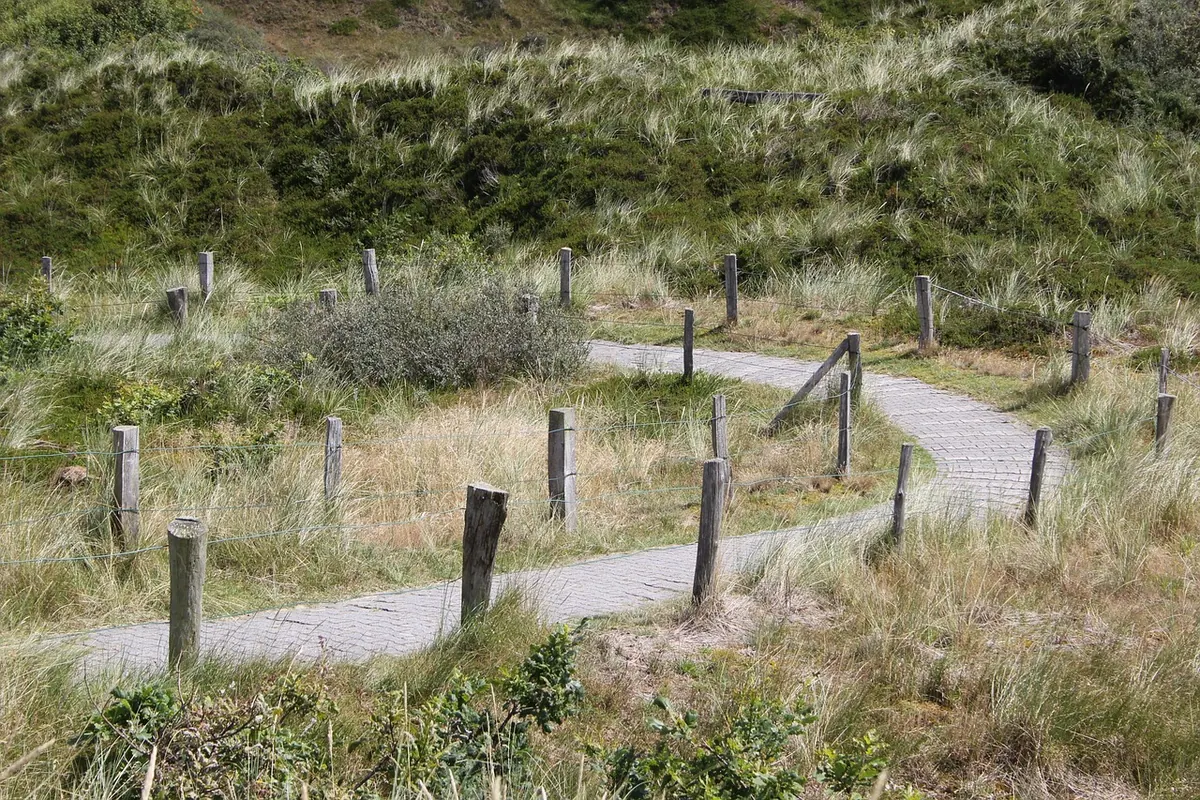
The Salt Path opens with two blows. Raynor Winn and her husband, Moth, lose their home and livelihood after a long legal dispute. Soon afterwards, Moth is diagnosed with a degenerative neurological condition. With little money and nowhere to live, they decide to walk the South West Coast Path: roughly 630 miles from Minehead in Somerset to Poole Harbour in Dorset, carrying everything they own in rucksacks. It sounds like the start of a grim book. It is not. It is clear-eyed, tender and unusually readable, even when the weather is filthy and the tent is wet.
What the book is actually about
The Salt Path is a memoir, not a walking guide. The route gives it structure, but the subject is what happens when the supports of ordinary life fall away. Winn writes about homelessness, grief, marriage, illness and the daily business of survival. They count coins, find water, pitch a tent, walk again. The book moves between the present-tense walk and the years before it, so the reader gradually understands what was lost and why the path matters.
A walk, not a cure
Winn never presents the coast path as a miracle treatment. Moth’s condition does not vanish. Their housing situation does not resolve itself in a neat chapter. What the walk offers is movement, routine, fresh air and companionship. That is a more honest kind of hope. If you want a book that promises nature fixes everything, this is not it. If you want a book about how people keep going when nothing is fixed, it is exactly right.
The South West Coast Path as a character
The route is as vivid as any person in the book. The South West Coast Path runs around the south-western peninsula of England, taking in Exmoor, north Devon, Cornwall, south Devon and Dorset. It is known for steep climbs, cliff paths, coves, estuaries and changeable weather. Winn captures the physical grind: heavy packs, sore feet, hunger, rain that gets into everything, and the strange luxury of a hot drink or a cheap meal.
She also captures why people walk it: wide sea views, wild flowers, seabirds, unexpected kindness and moments of quiet. The path is not a backdrop. It sets the pace and tests the pair. If the book inspires you to attempt a section, use official National Trail information, Ordnance Survey maps or a reputable guidebook, and check tide times, weather and transport before you go.
Resilience without slogans
Resilience is the word most often attached to this book, and it earns it. Winn’s resilience is not the slogan kind. It looks like mending a rucksack strap with whatever is available. It looks like walking when your body hurts and your mind is racing. It looks like arguing, apologising and carrying on. The marriage at the centre is loving but not idealised. There is irritation as well as devotion.
The book also shows how quickly a life can change. A legal dispute, a diagnosis, a bank balance: any of these can move a person from settled to uncertain. Winn does not turn that into a lecture. She shows it. That is why the book has stayed with so many readers who would never choose to sleep in a tent on a cliff.
Readability, style and book-club appeal
The prose is plain and immediate. Winn is good at sensory detail without showing off. You feel the damp sleeping bag, taste the instant noodles, hear the wind. Chapters are short enough to make “just one more” easy. The present-tense walking sections pull you forward; the flashbacks fill in the backstory. Some readers find the middle stretch repetitive, and it is true that the book has a rhythm of walk, pitch, eat, sleep, worry. That repetition is part of the experience, but it will not suit everyone.
For book clubs, there is plenty to discuss:
- What does home mean when you no longer have one?
- Is resilience a choice, a habit, or something forced on people?
- How does the coast path change the relationship between Raynor and Moth?
- What does the book say about how strangers treat people who are homeless?
- Does the ending feel hopeful, realistic, or both?
The book deals frankly with illness, homelessness and grief. Readers who have faced similar experiences may find it moving in a raw way, not a cosy one.
The verdict
The Salt Path works on several levels. It is a travel book about a famous long-distance path. It is a love story about a marriage under pressure. It is a quiet argument for walking, for paying attention, and for refusing to give up on the person beside you. It is not flawless. The pacing sags in places, and readers who want practical route details will need another book for that. But as a story about keeping going, it is difficult to put down and difficult to forget.
If you want to walk it yourself
The Salt Path can make the South West Coast Path sound romantic. It is, in places. It is also tough. Here is a sensible starting point:
- Choose a short section first. The path is around 630 miles in total; a weekend or a week is enough to test your kit and interest.
- Use official trail resources and paper maps. Mobile signal is not reliable on every cliff, and a phone battery can die.
- Train with a loaded rucksack. Walk hills, not just flat paths, and break in boots or shoes properly.
- Plan accommodation where possible. Camping and wild camping rules differ across England; in many places you need the landowner’s permission. Do not assume you can pitch anywhere.
- Check the weather, tide times and path diversions before each day. Coastal conditions change quickly.
- Carry water, food, a torch, waterproofs and a basic first-aid kit. Tell someone your route.
If you have a health condition or a long-term injury, speak to a GP or relevant healthcare professional before attempting a long-distance walk. The same goes for mental health: a hard walk is not a substitute for support. The book’s lesson is not that everyone should copy Raynor and Moth. It is that small, repeated steps can carry you further than you think.
Photo: vonJanne / Pixabay